
Orthopedics and joint replacement in India
Discover mobility care that feels precise and reassuring
Orthopedic and joint replacement care in India brings together skilled surgeons, modern operating rooms, and supportive rehabilitation so that patients walk back to life with confidence. People travel here when they need knee replacement, hip replacement, spine surgery, arthroscopy for sports injuries, or shoulder and elbow reconstruction. When pain limits daily movement or when imaging shows joint damage that no longer responds to medicines and therapy, timely surgery restores function which lets you return to work and family activities safely.


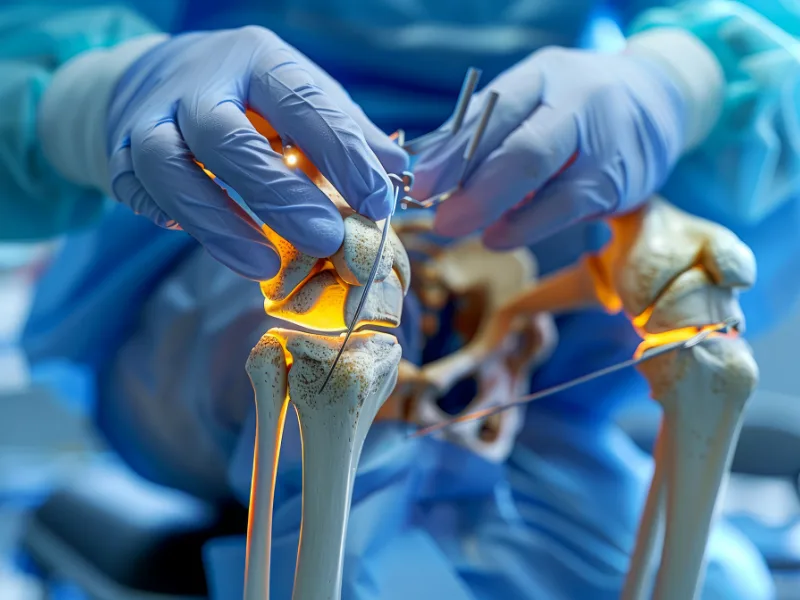
Why people choose India when movement matters most
- ✓You meet high volume surgeons who follow evidence based pathways so that results stay consistent and complications reduce over time
- ✓You are treated in hospitals that run advanced imaging suites and infection control programs which support safe joint replacement and complex spine work
- ✓You benefit from care that is coordinated end to end so that travel planning, medical opinions, language support, and post operative follow up are handled smoothly
- ✓You receive clear expectations about implant options, rehabilitation milestones, and return to activity so that recovery feels structured and confident
Procedures which international patients ask for most
- ✓Total knee replacement which replaces damaged cartilage and bone so that alignment and stability improve and walking becomes easier
- ✓Total hip replacement which resurfaces the ball and socket joint with durable materials so that pain reduces and range of motion returns
- ✓Spine surgery which includes decompression, discectomy, and fusion when nerves are compressed or vertebrae are unstable
- ✓Arthroscopy which uses small incisions and a camera to treat meniscus tears, ligament injuries, and cartilage problems so that downtime shortens
- ✓Shoulder and elbow reconstruction which restores function after arthritis, rotator cuff tears, or complex fractures
What the evidence says so that you can feel informed
Modern knee and hip replacement relieve pain and improve quality of life for people with advanced arthritis when conservative care no longer works. Recovery pathways that focus on early mobilization and home exercises help patients regain independence sooner. Infection prevention bundles, proper antibiotic timing, and meticulous sterile technique reduce surgical site risks which is why accredited hospitals monitor these measures closely. Clear shared decision making improves satisfaction and helps set realistic goals for walking, return to work, and sports.
Understanding costs without surprises
India keeps many orthopedic procedures within reach so that treatment can start when it is medically needed rather than when finances finally allow it. Your estimate will vary with hospital category, surgeon seniority, implant brand and bearing surface, room selection, length of stay, physiotherapy needs, and whether surgery involves one joint or both. When you request a quote, ask for an itemized plan which lists surgical fees, implant details, medicines, physiotherapy sessions, and any expected extras such as braces or walking aids. Transparent paperwork helps you compare options and prevents last minute confusion.
Hospitals and teams which international patients commonly consider
People often enquire about major orthopedic and spine centers in New Delhi, Mumbai, Bangalore, Chennai, and Gurgaon where multidisciplinary teams coordinate anesthesia, imaging, operating room nursing, infection control, and rehabilitation. Before you decide, ask whether the hospital tracks outcomes for your procedure, whether it publishes infection and revision rates, and which implant systems are available with long term follow up in your home country.
How your journey usually unfolds so that you understand each step
- ✓Step one you share consultation notes and imaging which lets the team confirm the diagnosis and advise on conservative versus surgical options
- ✓Step two you receive one or more medical opinions and a written estimate so that you can compare implants, length of stay, and rehabilitation plans
- ✓Step three you confirm a date and arrange travel and visa with assistance when needed and you receive a prehabilitation checklist which makes surgery safer
- ✓Step four you are admitted for surgery and you begin guided physiotherapy with a plan for exercises, wound care, and follow up calls when you return home
Answers which many patients ask during planning
Which implant should I choose?
Your surgeon recommends a design and bearing surface that match age, bone quality, activity level, and anatomy so that function and longevity balance well. Ask about published survivorship data and about the plan if revision is needed many years later
When can I walk without support?
Most people stand with help on the day of surgery and walk with a frame or crutches within one to two days when the team confirms it is safe. By several weeks many patients move with a cane and by three months most daily activities feel comfortable, although timelines vary with fitness and procedure complexity
What reduces the risk of infection
Skin preparation, timely antibiotics, operating room airflow control, and careful wound care all work together so that infection risk stays low. You can help by following hand hygiene advice, protecting the dressing, and reporting fever, increasing pain, or drainage when they appear
Can I travel home soon after surgery
Many international patients travel once the surgeon confirms that wounds are clean, pain control is stable, and early physiotherapy goals are met. Your team provides fit to fly advice and thrombosis prevention so that the journey remains safe
Important care note so that every reader stays safe
This page shares general information which does not replace advice from your own doctor. You should make decisions together with a licensed orthopedic surgeon who has examined you and who understands your imaging and medical history.
Top Orthopedics and Joint Replacement Procedures in India
Medically reviewed by
Dr Aryan Malhotra
MBBS David Tvildiani Medical University Georgia
Radiation Oncology Resident Burdwan Medical College and Hospital
Registration number 95565
Dr Aryan Malhotra reviews this page so that medical statements remain accurate and patient friendly. He supports evidence based communication which helps readers discuss choices with their treating doctors.
References
World Health Organization Musculoskeletal health
https://www.who.int/health-topics/musculoskeletal-health
NHS Knee replacement overview
https://www.nhs.uk/conditions/knee-replacement/
NHS Hip replacement overview
https://www.nhs.uk/conditions/hip-replacement/
NHS Recovery after knee replacement
https://www.nhs.uk/conditions/knee-replacement/recovery/
NHS Spinal fusion overview
https://www.nhs.uk/conditions/spinal-fusion/
American Academy of Orthopaedic Surgeons Total knee replacement patient guide
https://orthoinfo.aaos.org/en/treatment/total-knee-replacement/
American Academy of Orthopaedic Surgeons Total hip replacement patient guide
https://orthoinfo.aaos.org/en/treatment/total-hip-replacement/
National Institute for Health and Care Excellence Osteoarthritis care and management guideline
https://www.nice.org.uk/guidance/ng226
World Health Organization Global guidelines for the prevention of surgical site infection
https://www.who.int/publications/i/item/9789241549882