
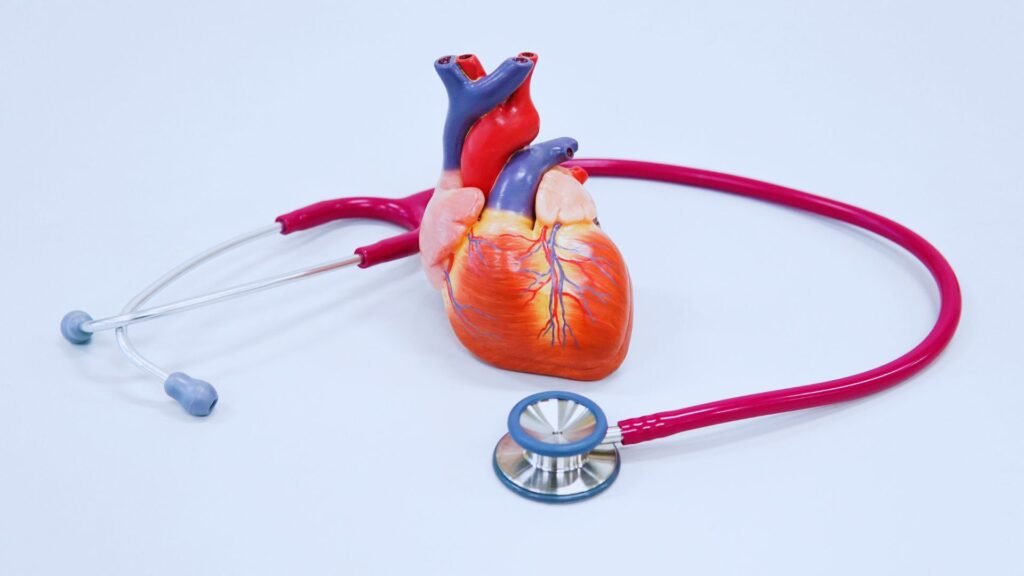
Heart Bypass Surgery in India
Clear guidance on what it treats how it works what it costs and how recovery usually looks. Choosing a treatment is like planning a trip you want the best route the best guide and the right price.
Discover what this treats so that you can choose confidently
Also called CABG Heart bypass surgery uses a healthy blood vessel graft to route blood around blocked coronary arteries so that oxygen supply to heart muscle improves and angina reduces.
Have you asked which arteries are critically narrowed and how many grafts you need Which hospital offers the safest pathway for your specific risks
- Relieves chest pain and breathlessness when medicines are not enough
- Improves blood supply and exercise capacity
- Lowers risk of future heart attack with ongoing medical therapy
How the procedure works in simple steps
- Preoperative workup includes ECG echo blood tests and an angiogram to map blockages
- General anesthesia ensures you sleep comfortably and feel no pain
- The surgeon prepares a graft commonly the internal mammary artery or a leg vein
- The graft is connected beyond the blockage to create a new path for blood flow
- ICU monitoring follows with breathing exercises early walking and pain control
Graft the spare blood vessel used as a detour ICU intensive care unit for close monitoring Angina chest pain due to low blood flow to heart muscle
Who should consider this and when to wait
Bypass is often advised for severe multivessel disease left main involvement or persistent symptoms despite medicines. Doctors may suggest waiting or alternatives if there is active infection unstable conditions or very high surgical risk. When diabetes or multiple narrowings exist bypass may provide more durable relief than stents.
Benefits and risks that you should understand
Benefits
- Relief from chest pain and breathlessness
- Better exercise capacity and quality of life
- Lower chance of future heart attack with guideline medicines
Risks
- Infection bleeding rhythm problems or stroke risk which varies by age heart function diabetes and kidney status
- Temporary memory or concentration issues that usually improve
Safeguards include timed antibiotics blood sugar control heart lung protection and early mobilization protocols.
Cost overview without surprises
| Scenario | What it includes | Typical range USD |
|---|---|---|
| Single graft CABG in accredited private hospital | Routine ICU 5 to 6 bed days standard medicines | 4000 to 5000 |
| Double or triple graft CABG | Longer OT time more consumables ICU plus ward | 5000 to 6500 |
| Complex CABG with valve repair or longer ICU | Advanced devices longer stay senior team | 6000 to 8000 |
Final estimates depend on individual case details and require a personalized quote.
Recovery timeline so that planning feels easier
- Days 0 to 3 ICU then step down start sitting walking and breathing exercises
- Days 4 to 10 discharge planning wound care and medicine schedule
- Weeks 2 to 6 gradual walk build up avoid lifting heavy weights
- Weeks 6 to 12 supervised cardiac rehab return to desk work when cleared
Red flags that need urgent care fever wound discharge sudden breathlessness or chest pain.
Your journey step by step from first call to follow up
- Share angiogram report and medical history for a pre review
- Receive a written plan outlining grafts expected stay and costs
- Admission prehab and anesthesia fitness check
- Surgery ICU recovery and daily physiotherapy
- Discharge education on medicines diet activity and tele follow up
Success story A 58 year old teacher with triple vessel disease chose an accredited center in India. With two arterial and one venous graft he walked 200 meters by day four and flew home at week four. At six weeks he resumed part time teaching with a structured rehab plan.
Questions people often ask before this treatment
What is the difference between stents and bypass
Stents open specific narrowings while bypass creates new routes around multiple blockages and is often preferred in complex multi vessel disease or diabetes.
How long do grafts last
Arterial grafts can last many years when risk factors are controlled while vein grafts may narrow earlier. Lifestyle and medicines matter.
When can I travel
International travel is commonly three to four weeks after surgery when the surgeon clears you.
Will I need lifelong medicines
Yes typically antiplatelets statins and blood pressure medicines with regular follow up.
Video testimonials from real patients
You can watch recovery stories that show pre surgery anxiety realistic expectations and how rehab builds confidence week by week. These videos help you see what day to day progress looks like.
Medically reviewed by
Dr Aryan Malhotra
MBBS David Tvildiani Medical University Georgia
Radiation Oncology Resident Burdwan Medical College and Hospital
Registration number 95565
Dr Malhotra reviews pages so that statements remain accurate practical and patient friendly and that safety guidance stays up to date.
Important care note so that every reader stays safe
Information here supports conversations with your heart team. Individual risks and choices vary so follow the plan your cardiologist and surgeon design for you.
Disclaimer
This page is informational and is not a substitute for care. Decisions about tests and treatment must be made with a licensed specialist who has examined the patient and reviewed complete medical records.
References
Watch patient videos
https://www.youtube.com/@TreatmentCost